MedusaLocker Claims Data Theft in Extortion Listing
MedusaLocker ransomware operators have published an extortion listing claiming unauthorized data exfiltration from technology firm F5A, underscoring persistent threats against internet-facing services.

Key Takeaways
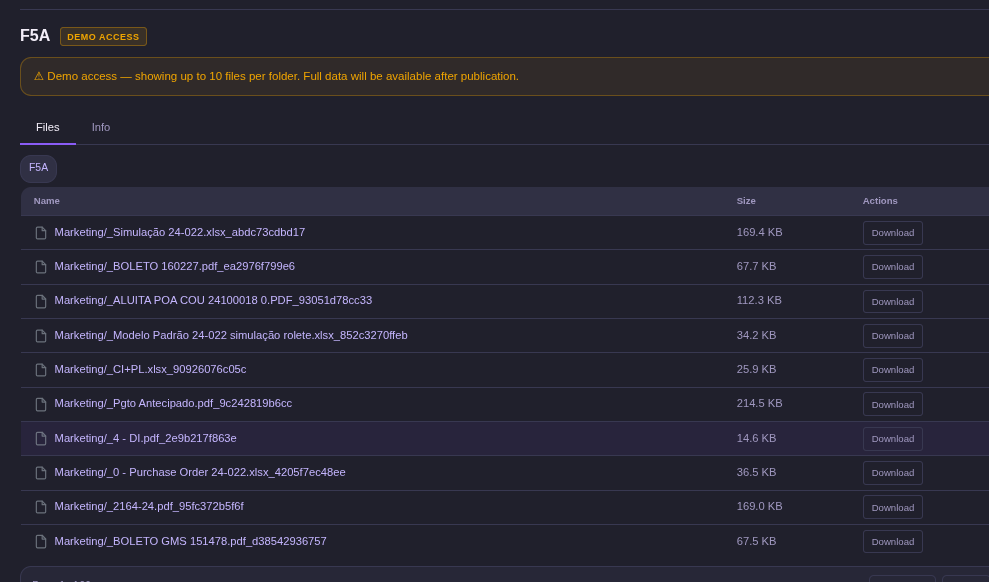
- MedusaLocker has listed technology entity F5A on its dark web leak site, releasing preliminary proof of exfiltrated internal email data.
- MedusaLocker predominantly gains initial access via exposed remote desktop (RDP) services, brute-forcing, and phishing attachments.
- The malware executes vssadmin and bcdedit commands to inhibit operating system recovery before deploying AES-256 and RSA hybrid encryption.
- Effective defense requires eliminating direct internet-facing RDP, enforcing mandatory MFA, and securing immutable offline backups.
Defenders must immediately audit external-facing remote administration portals and scrutinize backup isolation to protect enterprise networks against recurring ransomware operations. Threat actors operating MedusaLocker (frequently referred to as Meduza Locker) continue to target perimeter exposures, leveraging stolen credentials and misconfigured services to gain access, execute double-extortion tactics, and deploy destructive file encryption payloads.
Organizations operating hybrid architectures must prioritize strict access hygiene, validate authentication logs, and ensure offline backup repositories remain out of reach from compromised domain administrative accounts. The security team at FemtoSec outlines key details of the incident, typical MedusaLocker mechanics, and practical technical mitigations for defensive teams.
What Happened in the MedusaLocker Attack
On November 21, 2026, the MedusaLocker extortion group updated its dark web leak repository to include F5A, an organization operating on the Saint Martin ccTLD (f5a.mf). In the published listing, the ransomware operators asserted that they had breached corporate environments and acquired internal data assets. As proof of initial compromise, the group published a preliminary leak sample containing roughly 90 internal email records.
While public forensic disclosures have not detailed the full scope of internal system compromise or operational disruption at F5A, the publication follows the classic playbook of contemporary double-extortion syndicates. Threat actors exfiltrate confidential files, proprietary documents, or internal communications before deploying file lockers, creating dual leverage to coerce ransom negotiations even if target entities possess recoverable system backups.
To evaluate whether internal domain accounts or corporate credentials have already appeared across underground leak repositories or automated infostealer logs, security teams can conduct a targeted assessment using FemtoSec's Dark Web Scanner to inspect perimeter indicators and compromised identity records.
Incident & Threat Overview
How the Ransomware Operates Across the Attack Chain
MedusaLocker campaigns typically rely on tried-and-tested initial compromise techniques combined with rapid living-off-the-land post-exploitation scripts. Rather than burning novel zero-day exploits, affiliates predominantly seek low-friction ingress points across enterprise perimeters.
1. Initial Access and Ingress Vectors
Historically, MedusaLocker affiliates rely heavily on two primary vectors:
Exposed Remote Services: Publicly exposed Remote Desktop Protocol (RDP) servers, terminal gateways, or virtual private network (VPN) endpoints running on standard ports without multi-factor authentication (MFA). Attackers leverage credential stuffing, brute-force dictionaries, or credentials purchased from dark web access brokers.
Targeted Phishing Campaigns: Malicious emails delivering weaponized attachments, such as password-protected ZIP archives, ISO images, or macro-enabled documents that initiate a secondary loader utility.
2. Execution, Privilege Escalation, and Tool Tampering
Upon securing a foothold, the threat actors execute automated batch scripts (.bat) and PowerShell routines to prepare the endpoint environment. Operators often execute User Account Control (UAC) bypass mechanisms to attain elevated SYSTEM or local administrative rights.
Once elevated, the malware actively disables local endpoint detection and response (EDR) agents, antivirus engines, and backup synchronization daemons. Utilities like Sysinternals Process Hacker or custom task-terminator batch scripts are systematically run to kill processes associated with endpoint monitoring software and enterprise backup services.
3. Defense Evasion and Recovery Inhibition
Before launching cryptographic routines, MedusaLocker takes aggressive steps to prevent victim recovery by executing standard Windows administrative binaries:
bcdedit.exe /set {default} recoveryenabled No
bcdedit.exe /set {default} bootstatuspolicy ignoreallfailures
vssadmin.exe Delete Shadows /All /Quiet
By clearing Windows Volume Shadow Copies through vssadmin.exe and suppressing boot recovery diagnostics via bcdedit.exe, the operators strip system administrators of rapid native rollback options, severely increasing extortion pressure.
4. Reconnaissance, Lateral Movement, and Cryptography
The ransomware performs network sweeping across adjacent subnets using built-in ICMP ping utilities or lightweight network scanners. Operators leverage harvested credentials to move laterally across Server Message Block (SMB) and administrative shares.
During the final execution phase, MedusaLocker executes a hybrid encryption scheme utilizing AES-256 to lock files locally and across accessible network mapped drives. The symmetric AES keys are encapsulated using an embedded RSA public key, ensuring that decryption requires private keys held exclusively on adversary infrastructure. The malware writes ransom instructions across affected directories instructing victims to initiate negotiations on designated dark web portals.
MedusaLocker Operational Attack Chain
- 1Initial Access
Exposed RDP brute-forcing or phishing emails
- 2Privilege Escalation
Batch/PowerShell scripts and UAC bypass
- 3Defense Evasion
Terminate AV/EDR and delete volume shadow copies
- 4Lateral Movement
Subnet ping scans and SMB credential pivoting
- 5Exfiltration & Impact
Proprietary data theft and AES-256 / RSA encryption
MedusaLocker ATT&CK Mapping
Who Is Behind the MedusaLocker Actor Group?
Attribution and threat intelligence analysis require clear differentiation between threat actors with similar monikers. Cyber threat advisories published by the Cybersecurity and Infrastructure Security Agency (CISA) and the Federal Bureau of Investigation (FBI) specifically distinguish MedusaLocker from the newer, separate Ransomware-as-a-Service (RaaS) entity known simply as Medusa.
First identified around September 2019, MedusaLocker operates as a collaborative syndicate, frequently relying on diverse affiliate networks to execute initial access and network traversal. The core developers maintain the locker payload, extortion portal infrastructure, and negotiation portals, taking a percentage of successful extortion payouts. Affiliates demonstrate varying degrees of sophistication, ranging from basic credential abusers to skilled network infiltrators capable of extensive Active Directory compromise.
Because affiliates change tactics and rotate tooling, comprehensive Penetration Testing is critical for uncovering misconfigured remote services and privilege escalation vulnerabilities before external groups exploit them.
Threat Actor Profile
- Motivation
- Financial extortion
- TTPs
- Compromise of internet-facing RDP servicesLiving-off-the-land batch and PowerShell executionDisabling EDR and backup software via process terminationInhibition of system recovery using vssadmin and bcdeditHybrid AES-256 and RSA file encryption
Enterprise Impact and Extortion Pressure
The operational and strategic implications of a MedusaLocker intrusion extend beyond immediate file availability loss. Modern ransomware syndicates weaponize multiple extortion vectors to maximize their financial leverage over affected organizations:
Operational Downtime: The simultaneous encryption of critical file shares, administrative hosts, and databases can completely halt day-to-day business processes, requiring extensive incident response and forensic remediation.
Regulatory and Compliance Liabilities: Exfiltration of employee records, emails, or consumer data triggers mandatory breach notification obligations under data protection regulations across global jurisdictions.
Reputational Damage: Publication on public leak sites degrades customer trust, alerts business partners to security compromises, and invites follow-on targeting from opportunistic cybercriminals.
Secondary Identity Theft: When threat actors exfiltrate email directories, the compromised accounts can be leveraged by other cybercrime groups for targeted spear-phishing or business email compromise (BEC) campaigns.
Detection, Hunt Strategies, and Containment
Defensive teams must adopt proactive monitoring logic focused on early-stage behaviors, command execution, and endpoint tampering rather than relying solely on static file signatures.
1. Behavioral Detection Rules
Security Operations Center (SOC) teams should construct SIEM correlation rules and EDR hunting queries to detect suspicious command-line execution patterns, particularly around shadow copy deletion and recovery modifications:
Monitor process creations where
Imageends withvssadmin.exeandCommandLinecontains bothdeleteandshadows.Flag any execution of
bcdedit.execontainingrecoveryenabled Noorbootstatuspolicy ignoreallfailures.Alert on unexpected command-line invocations of administrative commands such as
wbadmin.exe DELETE SYSTEMSTATEBACKUP.
2. Authentication Anomaly Hunting
Given the reliance on RDP compromise, defenders should configure automated alerts for high rates of failed authentication events (Windows Event ID 4625), especially when originating from unusual IP addresses or outside standard business hours. Any successful logon (Windows Event ID 4624) following multiple rapid failures on an external-facing system must be treated as a high-severity alert.
3. Core Containment and Hardening Recommendations
To reduce attack surfaces and neutralize lateral movement vectors, security architects must implement the following safeguards:
Eliminate Direct Perimeter RDP: Ensure port 3389 and other administrative ports are never accessible directly from the public internet. Remote administration must mandate an enterprise VPN or Zero Trust Network Access (ZTNA) with multi-factor authentication.
Enforce Strict Account Lockout Thresholds: Configure lockout policies to terminate automated brute-force attempts after a small threshold of failed login attempts.
Maintain Immutable, Air-Gapped Backups: Implement the 3-2-1 backup rule, verifying that at least one complete backup copy is held offline, in an immutable cloud repository, or behind air-gapped infrastructure inaccessible via Active Directory credentials.
Implement Attack Surface Reduction (ASR): Configure endpoint controls to block process creation from common temporary directories (
AppData,Temp) and prevent standard user accounts from accessing scripting interpreters like PowerShell or legacy batch engines.Review Perimeter Exposure: Continuously identify shadow IT, forgotten test servers, and unpatched boundary gateways via systematic Attack Surface Management.
Detection Rule: Inhibit System Recovery
selection_vssadmin: Image|endswith: '\vssadmin.exe' CommandLine|contains|all: - 'delete' - 'shadows' selection_bcdedit: Image|endswith: '\bcdedit.exe' CommandLine|contains|any: - 'recoveryenabled No' - 'bootstatuspolicy ignoreallfailures' condition: selection_vssadmin or selection_bcdeditContainment and Hardening Recommendations
- Eliminate direct perimeter RDP access (port 3389)Mandate enterprise VPN or ZTNA with MFA for all remote sessions
- Configure strict account lockout policiesBlock automated brute-force attacks after repeated failed logins
- Maintain immutable and offline 3-2-1 backupsEnsure repositories are protected against vssadmin deletion and AD takeover
- Deploy Attack Surface Reduction (ASR) rulesBlock execution from temporary directories and restrict script interpreters
- Monitor Windows Event ID 4625 authentication spikesDetect brute-force attempts on public-facing gateways
How to Defend Against Similar Threats
- Disable all internet-facing RDP endpoints or restrict access strictly behind multi-factor authenticated VPN gateways.
- Implement SIEM alert rules targeting vssadmin.exe shadow copy deletion and bcdedit boot configuration changes.
- Enforce immutable or air-gapped backup storage configurations to prevent ransomware actors from destroying recovery snapshots.
- Review authentication logs across perimeter gateways for credential stuffing patterns and brute-force attempts.
Threat Intel FAQ
Is MedusaLocker the same threat actor as the Medusa ransomware group?
How do MedusaLocker operators typically establish initial access?
Why does MedusaLocker delete Volume Shadow Copies during an intrusion?
Could a similar threat affect your organization?
If your team may be exposed to a similar threat, FemtoSec can help validate blast radius, prioritize remediation, and connect the issue to a practical security program.
Related Threats
November 5, 2026
SHIBA Ransomware Claims German HVAC Provider
SHIBA ransomware has claimed a data breach targeting German building services provider TEMA Haus- und Wärmetechnik. Learn about the threat group's double-extortion tactics, initial access vectors, PowerShell execution patterns, and actionable defense strategies for critical enterprise infrastructure.
October 16, 2026
Play Ransomware Targets The Innovation Group
Play ransomware operators have targeted United States management consulting firm The Innovation Group, publishing claims on their dark web leak site with a four to five day deadline to release stolen corporate data.
November 17, 2026
The Gentlemen Ransomware Hits Industrial Sector
The Gentlemen ransomware syndicate has targeted industrial automation specialist Vinson Process Controls, issuing a 10-day countdown before threatening to leak exfiltrated operational and corporate records.