Technical Capabilities and Architectural Risks
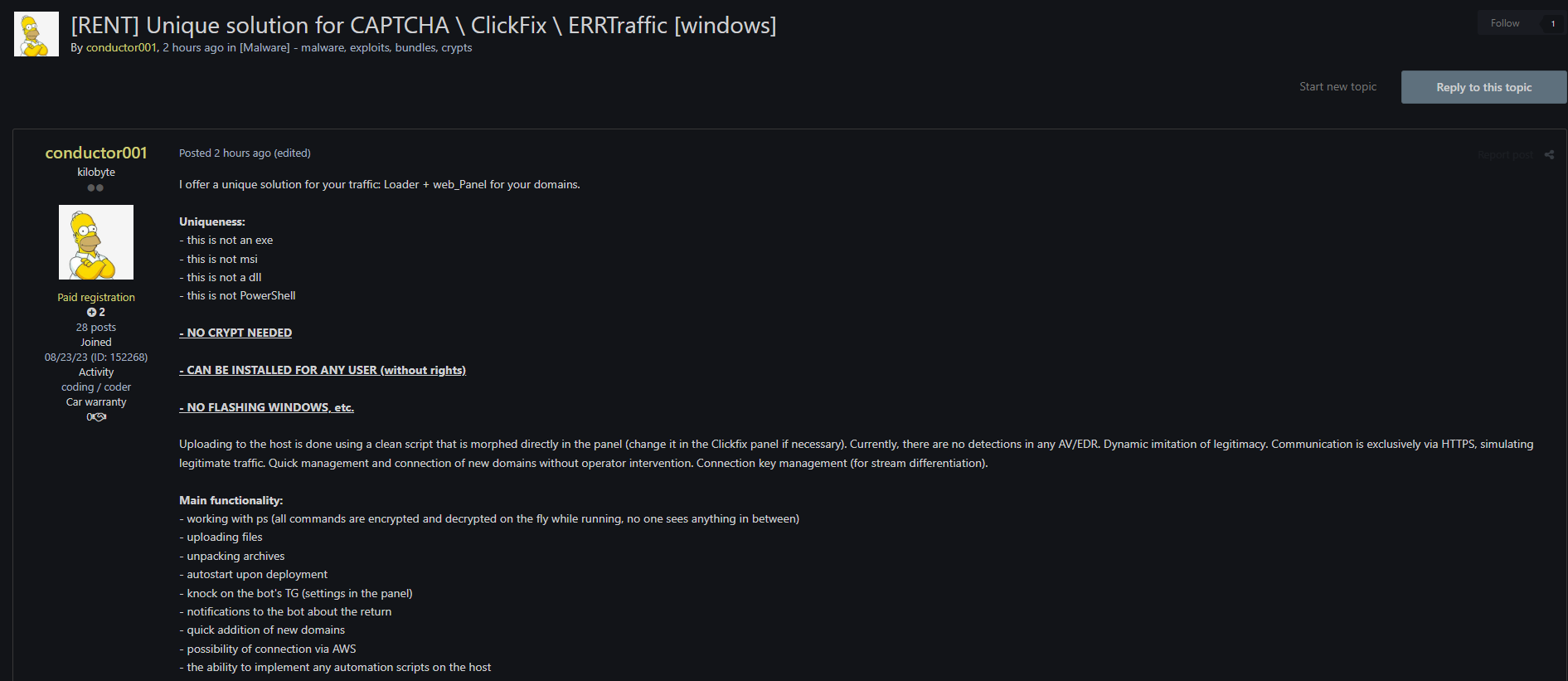
Unlike simplistic malware strains, the ClickFix loader is designed for high-level operational control. Its feature set includes HTTPS-based communication, which allows attackers to blend their command and control traffic with legitimate web traffic, complicating traditional network-based detection methods. Furthermore, the loader supports encrypted PowerShell execution. By leveraging native Windows scripting engines while masking the command content, threat actors can bypass basic signature-based security controls.
The inclusion of file upload and archive extraction functionalities within the web-based control panel suggests a modular architecture. This allows an attacker to drop secondary payloads, extract malicious toolkits, or pull credentials directly from a compromised host with minimal manual interaction. For enterprise security teams, this level of automation signifies a move toward faster, more efficient post-compromise activity.
The Impact on Enterprise Security Posture
When an attacker gains an initial foothold, the ability to deploy modular payloads quickly is critical for persistence and exfiltration. The ClickFix loader is engineered to streamline this process. Enterprises relying solely on perimeter defenses are at a distinct disadvantage against such tools. To effectively manage this risk, organizations must adopt a defense-in-depth strategy that prioritizes visibility into internal host activity. If you are concerned about how your infrastructure would handle a sophisticated breach attempt, consider scheduling Penetration Testing to identify how these loaders might interact with your specific configuration.
Proactive Defense and Mitigation
Defending against advanced loaders requires a shift toward proactive visibility. This includes monitoring for anomalous PowerShell execution patterns, egress traffic on non-standard ports even when hidden behind HTTPS, and unexpected file operations occurring within common temp directories. Organizations should also prioritize robust Attack Surface Management to ensure that any potential entry point which might be targeted for a ClickFix infection is identified and hardened against unauthorized access.
Why Behavioral Analysis is Essential
Because tools like ClickFix are constantly being updated by developers on underground forums, relying on static indicators of compromise is insufficient. Security teams should implement behavioral monitoring that detects the execution of suspicious scripts or unauthorized archive extraction, regardless of the loader's version or specific payload. By focusing on the tactics, techniques, and procedures associated with command and control, enterprises can disrupt the attacker's workflow even before they have a chance to deploy more destructive ransomware or exfiltration tools.
Continuous Resilience
Building a resilient security posture is not a one-time project but a continuous process. By combining deep visibility with regular testing and remediation, enterprises in the GCC region can protect their data and maintain regulatory compliance against the rising tide of sophisticated malware threats. Ensure your organization is prepared by engaging with specialized security experts who understand the nuances of the regional threat landscape.