Technical Implications for Digital Asset Security
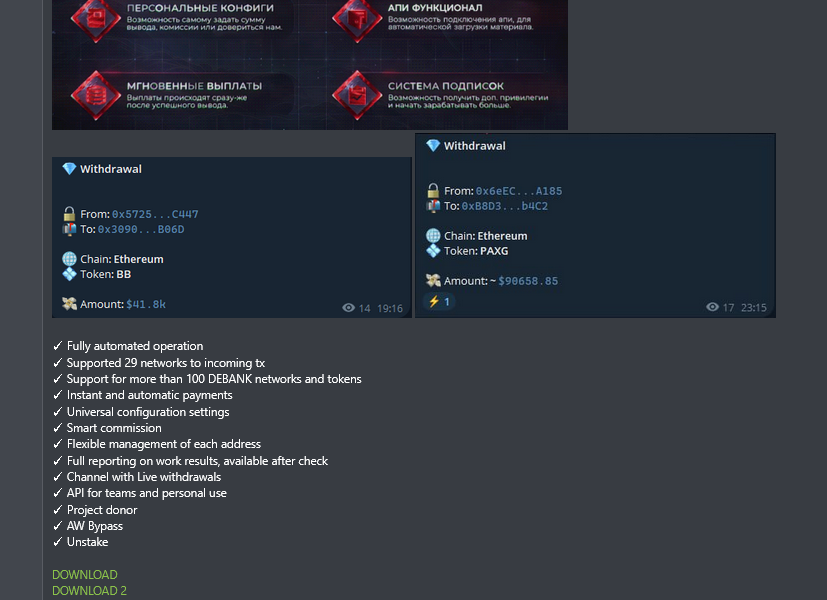
The functionality of SPXDER, which includes automated incoming transaction monitoring, instant withdrawals, and API-integrated staking management, suggests a high level of operational efficiency intended for malicious use. When these capabilities are weaponized, they effectively create a bridge between exposed APIs and the unauthorized removal of funds. Such automated tools often rely on identifying misconfigurations or vulnerable smart contract logic to execute commands without manual intervention. Organizations must proactively assess their environment to ensure that API keys, smart contracts, and wallet management systems are not exposed to such automated discovery and exploitation methods. A robust Smart Contract Auditing process is essential to ensure that your code is not just functional, but inherently resilient against automated withdrawal workflows.
Proactive Defense Strategies
In an environment where attackers use increasingly sophisticated automation, manual security checks are no longer sufficient. Enterprise-grade defense requires continuous visibility and the ability to detect anomalous behavior in real-time. If an attacker manages to integrate such tools into your workflow, the damage to liquidity and reputation can be instantaneous. Beyond securing the code, organizations must adopt a holistic Attack Surface Management approach. This ensures that every entry point, from cloud-based node infrastructure to exposed development APIs, is monitored for signs of unauthorized interaction.
Why Automation Matters in Modern Attacks
The rise of "Crypto AutoWithdrawal" as a feature category in underground forums indicates a maturing market for modular cyber-crime tools. These tools lower the barrier to entry, allowing less experienced actors to execute complex attacks against decentralized protocols. By automating transaction sequences, the attacker removes the human element of hesitation and error, maximizing the impact of a breach before security teams can respond. To defend against this, your security strategy must shift from reactive to proactive, ensuring that potential exploit paths are identified and closed before they ever reach the eyes of a malicious actor.