The Anatomy of the Lure
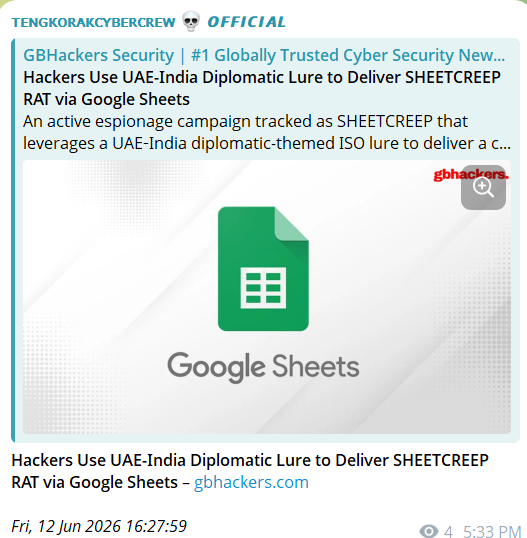
The use of ISO files as a delivery mechanism is a classic technique that continues to bypass standard file-based scanning tools. By masquerading as professional diplomatic content, the adversaries lower the guard of recipients who may be expecting such communications. This social engineering component is often the first step in a larger attack lifecycle, leading to potential data exfiltration or internal reconnaissance. Organizations concerned about their external footprint should look into robust Attack Surface Management to ensure that any vulnerabilities in their communication channels or employee workstations are identified and hardened.
Why Geopolitical Lures Persist
Threat actors often favor themes that are relevant to the target's current activities, such as regional strategic partnerships or bilateral agreements. For enterprises in Dubai and the wider GCC, aligning security protocols with the reality of targeted threat intelligence is essential. A compliance-first approach, grounded in frameworks like SOC 2 or PCI-DSS, ensures that even if an initial workstation is compromised, the broader enterprise architecture remains resilient against lateral movement and privilege escalation. Our 15+ years of experience in the region have demonstrated that enterprises with a proactive security posture significantly reduce the window of opportunity for attackers deploying RATs.
The SHEETCREEP incident is a reminder that adversaries are continuously refining their delivery methods. From initial access to persistence, every step of the kill chain is being optimized. It is therefore critical to maintain rigorous visibility into system logs and maintain an incident response plan that accounts for advanced remote access capabilities. By focusing on both human-centric risks and technical vulnerabilities, your organization can better defend against these persistent threats.