The Anatomy of Internal Data Exposure
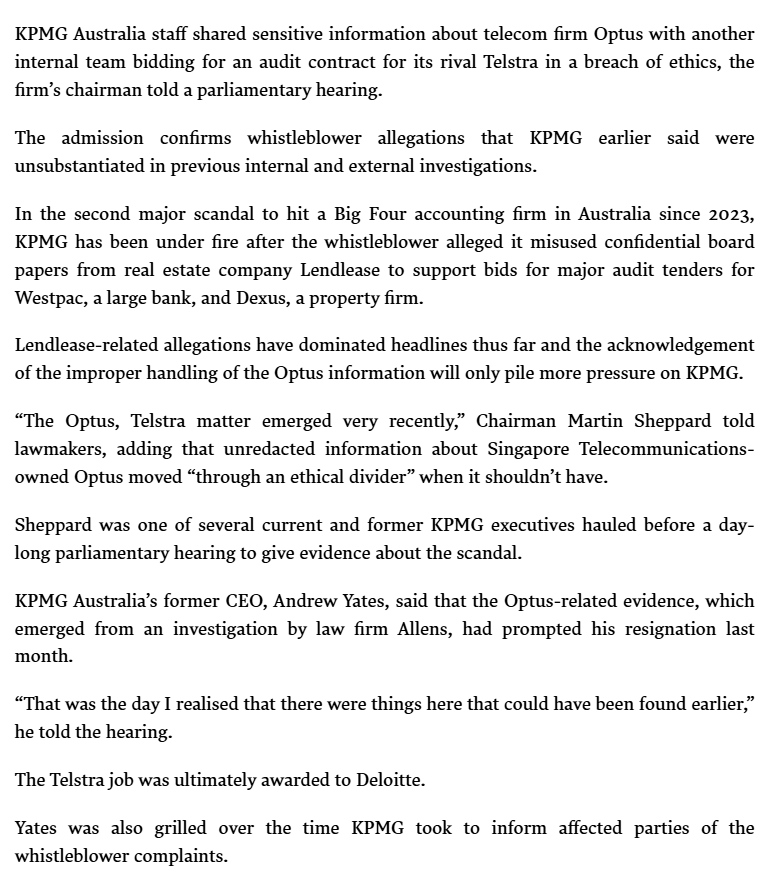
The core of this incident highlights a recurring vulnerability in complex professional service environments where massive datasets flow through various departments. When organizations manage sensitive information from clients such as Optus, they rely on ethical barriers or digital "Chinese walls" to prevent conflicts of interest and unauthorized access. The failure in this case suggests a gap between policy enforcement and technical execution. For an enterprise, this represents an identity and access management risk where internal visibility levels are not strictly governed or audited at the file level.
Why Internal Governance Matters
Beyond the immediate reputational impact, incidents of this nature demonstrate the fragility of data segregation in large-scale consultancy operations. When sensitive data is leaked internally, the risks include potential regulatory scrutiny, breach of contractual confidentiality obligations, and the erosion of client trust. To maintain a resilient security posture, organizations must prioritize proactive testing. Regular Penetration Testing can help identify weak spots in data access policies, while robust Attack Surface Management ensures that internal data silos remain impervious to unauthorized traversal.
Mitigation and Defensive Strategy
To prevent similar occurrences, enterprises must move beyond static policy documents and implement dynamic, automated access reviews. This includes:
Automated Data Discovery: Continuously identifying where sensitive files reside and who has access.
Strict Least Privilege Models: Applying granular access controls that are validated periodically.
Audit Logs and Monitoring: Tracking file access patterns to detect anomalies in real-time.
Regular Compliance Reviews: Ensuring that ethical barriers are technically validated, not just operationally mandated.
By integrating these measures, firms can ensure that even in high-stakes environments, client confidentiality remains protected against both external actors and internal oversights.