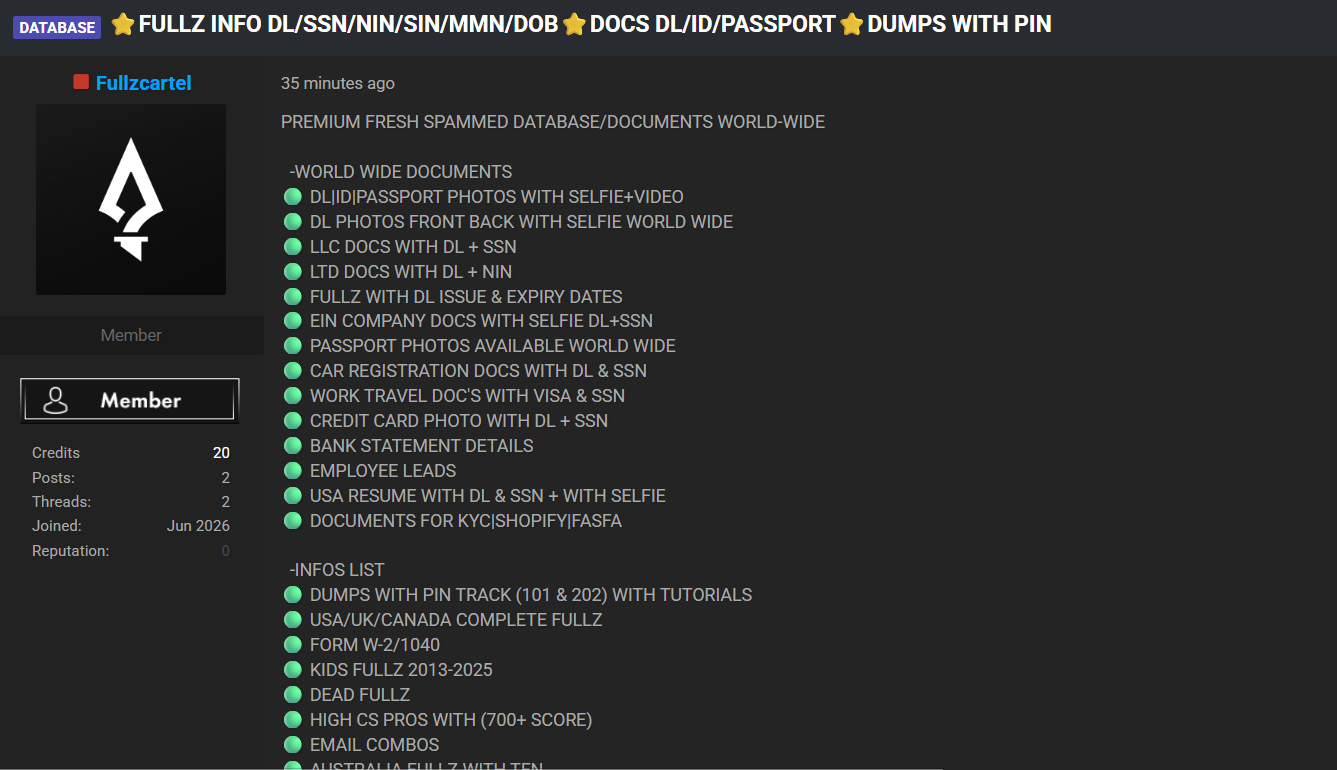
The current threat landscape involves more than just credential harvesting. Threat actors are now bundling comprehensive information including tax records, Medicare details, and investor databases. This level of granular exposure enables advanced identity theft and targeted financial fraud that can bypass traditional security controls. When sensitive information moves from secure internal servers to the dark web, it represents a permanent loss of confidentiality that necessitates an immediate and comprehensive response strategy.
The Role of Proactive Defense
Organizations must realize that traditional perimeters are insufficient. A Penetration Testing engagement is essential to identify how these sensitive records could be accessed through API flaws or internal network misconfigurations before they are exfiltrated. Without continuous visibility, companies risk having their internal documents and investor information listed in these databases, leading to reputational damage and regulatory scrutiny.
Furthermore, maintaining a strong security posture involves more than annual audits. Through Dark Web Monitoring, organizations can detect signs of their data appearing in underground markets in real-time. This allows for immediate remediation, such as forcing password resets or notifying stakeholders before attackers can weaponize the stolen data. Organizations that fail to monitor their external digital footprint are effectively operating in the dark.
Why Your Attack Surface Matters
The convergence of malware logs, phishing utilities, and stolen identity documents points to a mature ecosystem of cybercrime. Attackers leverage these tools to build a comprehensive picture of an organization. This is why managing your Attack Surface Management is critical. By identifying exposed assets and cloud misconfigurations, businesses can significantly reduce the window of opportunity available to attackers.
Strategic Mitigation Framework
To combat the threat of global data leaks, enterprises should adopt a defense-in-depth model that prioritizes data integrity and access control. This includes:
Implementing strict identity and access management policies.
Conducting frequent, automated vulnerability assessments to catch exposures early.
Training employees on the dangers of social engineering and credential theft.
Ensuring compliance with regional data protection standards through rigorous governance.
The threat is persistent, but with the right proactive measures, enterprises can build resilience against these large-scale data leaks and ensure they are not the next target found in a threat actor's database.