Data Breachhigh
Data Breach Risks: Central Bank of Venezuela Incident
A threat actor has claimed the leak of 186,500 records from the Central Bank of Venezuela. This analysis examines the technical risks and implications of the breach.
A threat actor has claimed the leak of 186,500 records from the Central Bank of Venezuela. This analysis examines the technical risks and implications of the breach.
Recent reports highlight a significant data security incident involving the Sovereign Gold platform of the Central Bank of Venezuela. Threat actors have claimed the exfiltration of approximately 186,500 records, potentially exposing sensitive user data. The leaked dataset reportedly encompasses identifiers such as person IDs, CI IRF numbers, email addresses, and internal status codes. For organizations operating within sensitive sectors like banking and finance, this incident serves as a stark reminder of the persistent threat landscape surrounding state-aligned digital infrastructure.
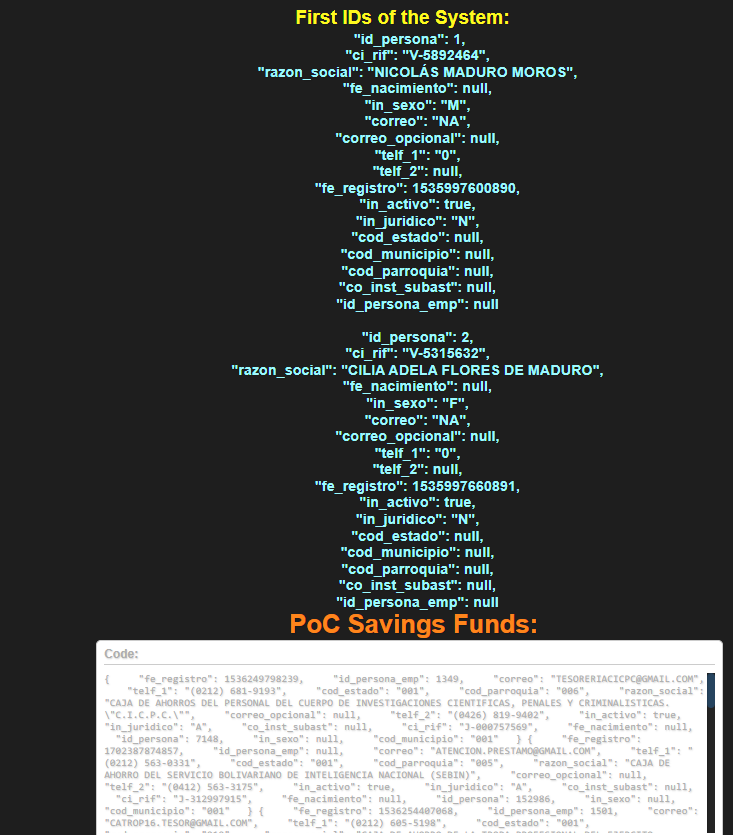
When databases containing personal and organizational identifiers are exposed, the primary risk is not limited to the immediate data loss. Once exfiltrated, this information becomes fuel for secondary attack vectors. Attackers frequently leverage such datasets to conduct high-precision phishing campaigns, credential stuffing against other portals, and sophisticated social engineering efforts. The combination of unique identifiers and internal status codes allows threat actors to map infrastructure access patterns and profile targets for further intrusion.
Organizations must treat such leaks as critical events. The exposure of email and person IDs often facilitates a bypass of initial security controls if those credentials are reused across other systems. If you suspect your organization may be implicated in similar leaks or if you need to evaluate your external exposure, start by performing a vulnerability assessment to identify weaknesses that could lead to unauthorized data access.
Data breaches of this magnitude often stem from unpatched vulnerabilities or misconfigured internet-facing assets. A robust security strategy requires continuous oversight of your digital footprint. This is where attack surface management becomes essential. By maintaining a clear view of your perimeter, your security teams can proactively harden endpoints and revoke access for inactive or compromised accounts before they can be exploited.
Free exposure check
Dark Web Scanner
check dark web mentions, compromised account indicators, malware log signals, public breach exposure, and recent underground market activity for your domain.
For financial institutions and government entities, responding to a leak requires a multi-faceted approach. Immediate steps include invalidating potential compromised credentials and conducting a thorough forensic review of access logs. If the breach originated from a specific platform, implementing stricter input validation and encryption for PII-related data at rest is necessary to mitigate the impact of future unauthorized access.
At FemtoSec, we emphasize that cybersecurity is not a static process. Organizations must continuously validate their defenses through periodic penetration testing to ensure that security controls function as intended against evolving TTPs (Tactics, Techniques, and Procedures). In the GCC region, where digital transformation is accelerating, the threat of sophisticated actors remains constant. A proactive operating model allows for the swift identification and containment of vulnerabilities before they manifest as public incidents.
If your team may be exposed to a similar threat, FemtoSec can help validate blast radius, prioritize remediation, and connect the issue to a practical security program.
An alleged data breach targeting Brazilian payment gateway and digital banking platform PagBank has surfaced on underground forums. A threat actor claims to possess a database containing information related to 10 billion transactions, highlighting the growing cybersecurity risks facing the fintech sector.
October 16, 2026
A dark web forum breach exposing 200,000 citizen records has highlighted severe identity theft and social engineering risks across public administration databases. FemtoSec provides deep technical analysis of the exfiltration vectors, MITRE ATT&CK mapping, and actionable containment measures for security teams.
October 14, 2026
A threat actor claims to have published approximately 100,000 billing, payment, and customer records from a prominent Cambodian payment gateway on an underground forum, highlighting significant operational and fraud risks for integrated merchants and consumers.