ThreatMetrix iOS Bypass Code Exposed: Impact Analysis
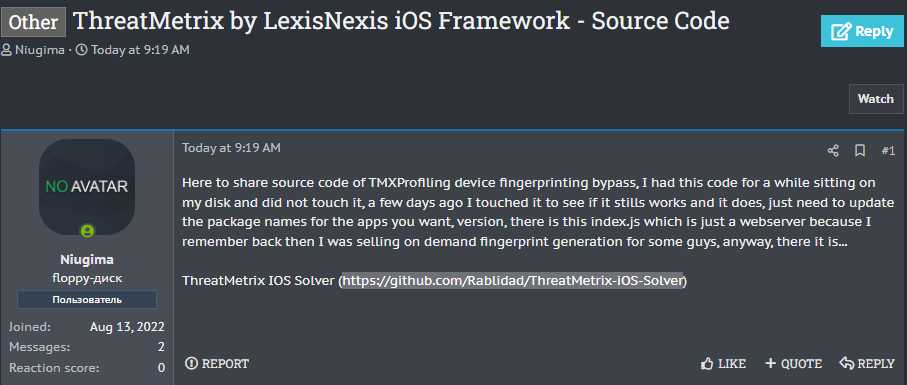
A threat actor has allegedly released source code designed to bypass ThreatMetrix iOS device fingerprinting, potentially facilitating anti-fraud evasion. We assess the risks for GCC enterprises and outline strategies to defend against automated fraud.


Key Takeaways
- Alleged source code enables bypassing of ThreatMetrix iOS device fingerprinting.
- Bypass tools facilitate automated fraud and anti-fraud system evasion.
- Device fingerprinting should not be the sole mechanism for user verification.
- A multi-layered defense strategy is required to counter advanced evasion techniques.
The Emergence of Anti-Fraud Bypass Tools
The recent emergence of source code allegedly capable of bypassing ThreatMetrix iOS fingerprinting marks a significant development in the cat-and-mouse game between fraud detection systems and malicious actors. Device fingerprinting is a cornerstone of modern digital identity verification, allowing enterprises to establish trust by identifying recurring devices through technical telemetry. When these mechanisms are undermined, the efficacy of anti-fraud controls is severely compromised, enabling sophisticated threat actors to perform automated, fraudulent activities under the guise of legitimate user traffic.
Understanding the Risk to Fingerprinting Integrity
Device fingerprinting relies on gathering unique attributes from a device to create a composite profile. When the underlying logic or the specific implementation details of a tool like ThreatMetrix are exposed or circumvented, the entire trust chain is threatened. The alleged availability of bypass source code suggests that adversaries have successfully reverse-engineered the fingerprinting logic, allowing them to manipulate the data points transmitted during the authentication or session validation process. For organizations operating in high-risk sectors such as finance, e-commerce, and digital payments, this development requires an immediate reassessment of their security layering.
Strengthening Your Defensive Posture
Relying solely on a single point of failure is no longer a viable strategy for enterprise security. To mitigate the risks associated with fingerprinting bypasses, organizations should consider a defense-in-depth approach. Implementing robust Penetration Testing can help identify how your specific application environment responds to manipulated device headers and whether your backend controls can detect anomalous session patterns. Furthermore, continuous Attack Surface Management ensures that your exposed authentication endpoints are not inadvertently leaking information that could aid an attacker in tailoring their bypass techniques.
The Role of Behavioral Analysis
While static fingerprinting is a vital signal, it should be treated as one of many inputs. Forward-thinking enterprises are increasingly shifting towards behavioral biometrics and velocity-based anomaly detection. By analyzing user interaction patterns—such as typing cadence, navigation speed, and typical device interaction habits—enterprises can maintain integrity even when the device fingerprint appears legitimate to the system. This multi-layered validation ensures that identity theft or automated fraud becomes significantly more difficult for attackers, regardless of whether they have compromised the device fingerprinting mechanism.
Practical Steps for Enterprise Resilience
Organizations must treat device fingerprinting evasion as an active, ongoing threat. It is essential to monitor your logs for suspicious patterns that diverge from historical user behavior. If you notice a sudden influx of "legitimate" sessions that originate from unexpected environments or display unusual telemetry, treat this as a signal to tighten your fraud rules. Our team at FemtoSec helps enterprises navigate these challenges by proactively stress-testing authentication flows and validating that your security stack can detect and reject sophisticated manipulation attempts. Regular audits and architectural reviews remain the best defense against the erosion of trust caused by exposed bypass toolsets.
How to Defend Against Similar Threats
- Perform a comprehensive review of your fraud detection and authentication logic.
- Implement behavioral biometrics to augment static device fingerprinting.
- Engage in periodic security testing to identify weaknesses in your identity validation workflows.
- Monitor session velocity and behavioral anomalies to detect potential spoofed traffic.
Threat Intel FAQ
What is the primary risk associated with this bypass source code?
How can an enterprise protect its authentication process against these bypasses?
Could a similar threat affect your organization?
If your team may be exposed to a similar threat, FemtoSec can help validate blast radius, prioritize remediation, and connect the issue to a practical security program.
Related Threats

August 11, 2026
Securing APIs Against BOLA: The Click to Pray Leak
A critical security flaw in the Vatican's Click to Pray application exposed the personal data of over 700,000 global users. This analysis highlights the technical details of the BOLA vulnerability, the registration hash leak, and practical steps to detect and prevent automated database harvesting.

August 28, 2026
AI Commerce Platform Zero-Day Breach Analysis
A threat actor has claimed the exfiltration of 25 million records and 14 GB of internal data from conversational commerce platform bitbybit Studio, allegedly exploiting an unpatched zero-day vulnerability in public-facing infrastructure.

August 9, 2026
MyBB Plugin SQL Injection Zero-Days Sold on Dark Web
An underground threat actor is actively selling two unauthenticated SQL injection zero-day vulnerabilities affecting widely used MyBB plugins with over 20,000 downloads. Learn the technical mechanics of the threat, the attack chain, and actionable detection strategies to secure your forum infrastructure.