For organizations operating in the public sector, such incidents are a stark reminder that legacy systems and centralized databases are frequent targets for adversaries. Effective risk mitigation requires a multi-layered approach, beginning with a clear understanding of your current digital footprint and external exposure.
The Importance of Attack Surface Management
When government entities or enterprises face such incidents, the first step is to validate the extent of the exposure. A proactive Attack Surface Management strategy is essential to identify misconfigured assets or exposed administrative portals that may serve as initial entry points for threat actors. By continuously monitoring for internet-facing risks, agencies can significantly reduce the likelihood of unauthorized access to their core databases.
Addressing Data Privacy and Compliance
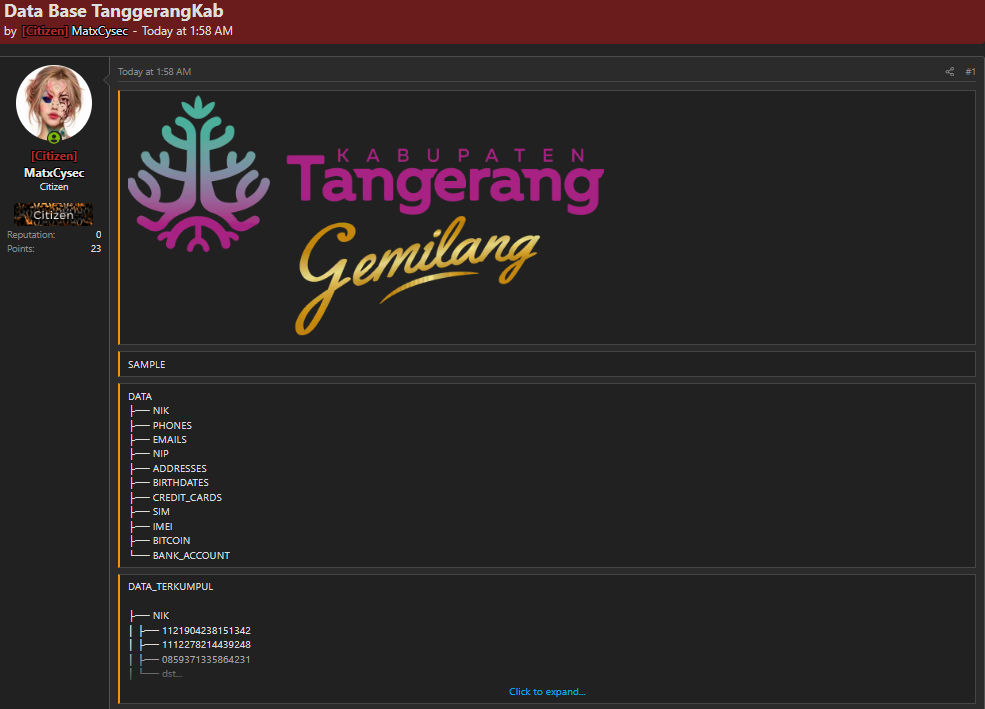
The exposure of personal identifiers like NIKs poses a long-term risk to the affected citizens. In the wake of such breaches, rigorous Vulnerability Assessments become critical not just for finding technical flaws, but for ensuring that data handling practices align with modern security standards. Government databases require stringent segmentation and encryption to prevent the lateral movement that often follows an initial system compromise.
The incident at Tangerang Regency serves as a cautionary tale regarding the handling of sensitive citizen information. Organizations must prioritize the audit of their internal applications and infrastructure to ensure that data is not only protected from external breaches but also properly managed within the internal environment. Proactive testing and continuous monitoring are no longer optional but are fundamental components of modern public sector governance.
As threat actors become increasingly sophisticated, relying on traditional perimeter defenses is insufficient. Enterprises and government bodies should look toward offensive security strategies to identify gaps before adversaries do. By simulating real-world attacks, organizations can harden their defenses and ensure that citizen data remains secure.