Qilin Ransomware Targets Hamer Childs Solicitors
Legal sector firms face increasing threats from ransomware groups like Qilin. We analyze the incident involving Hamer Childs Solicitors and provide guidance on strengthening your security posture.

Key Takeaways
- Qilin ransomware group has targeted Hamer Childs Solicitors in the UK.
- Legal sector organizations remain primary targets due to high-value sensitive data.
- Double-extortion tactics, involving data theft and encryption, are becoming the standard for ransomware operators.
- Continuous attack surface monitoring is critical to preventing unauthorized access.
Understanding the Qilin Ransomware Threat
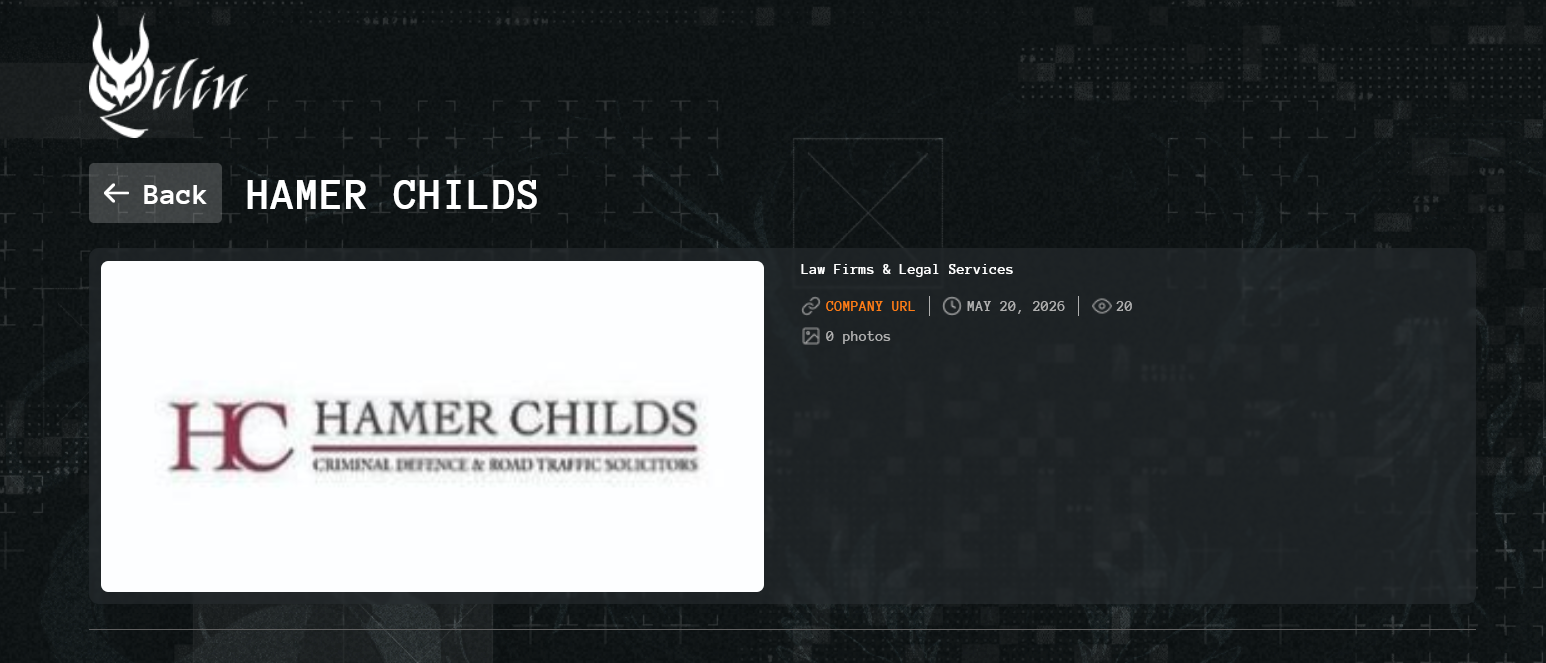
The recent reports indicating that Hamer Childs Solicitors has fallen victim to the Qilin ransomware group highlight the persistent risk that legal institutions face in the modern threat landscape. The group claims to have successfully exfiltrated data, a hallmark of double-extortion tactics used by modern cybercriminals. For professional services firms managing highly sensitive client data, such breaches represent not only operational disruption but also significant reputational and regulatory consequences.
Ransomware is rarely an overnight event. It is usually the culmination of a sequence of security failures, from exposed remote access points to unpatched vulnerabilities. Our experience at FemtoSec has shown that organizations that fail to maintain visibility over their Attack Surface Management are significantly more likely to be identified as targets for initial access brokers.
Why Law Firms Are Prime Targets
Law firms hold substantial amounts of confidential information, including proprietary business intelligence, personal identifiable information (PII), and sensitive legal documentation. This makes them high-value targets for attackers looking to leverage the threat of data leakage to force ransom payments. Defensive strategies must prioritize securing these assets through comprehensive Penetration Testing to identify how an attacker might pivot once inside a network.
Developing a Proactive Defense Strategy
Organizations must shift from a reactive mindset to a proactive, compliance-first operating model. This involves continuous monitoring and the reduction of the overall attack surface. The Qilin incident serves as a stark reminder that legacy security perimeters are no longer sufficient. Leaders should focus on:
Implementing strict identity management and multi-factor authentication across all external-facing applications.
Performing regular, automated security validation to detect vulnerabilities before they are exploited.
Training employees on the latest social engineering tactics that serve as initial infection vectors for ransomware payloads.
Conducting thorough incident response planning to ensure that the impact of a potential breach is minimized through rapid containment.
At FemtoSec, we believe that security is not a project, but a continuous commitment. By integrating offensive security assessments with robust governance and compliance practices, firms can better insulate themselves against the tactics employed by groups like Qilin. Whether your firm is navigating regulatory requirements or hardening infrastructure against advanced threats, maintaining visibility is the cornerstone of cyber resilience.
Our team works with enterprises across the GCC to implement proactive operating models that secure complex digital environments. Our platform, CyberSec365, is designed to align technical security with business goals, ensuring that protection does not hinder operations. If you are concerned about your exposure to ransomware or require a review of your current risk posture, contact our team to discuss your security requirements.
How to Defend Against Similar Threats
- Review and harden all internet-facing assets to reduce the attack surface.
- Implement multi-factor authentication across all sensitive systems and entry points.
- Perform regular penetration testing to identify and remediate potential entry vectors.
- Develop and test an incident response plan to ensure minimal disruption during a security event.
Threat Intel FAQ
What is the primary risk associated with the Qilin ransomware group?
How can a law firm prevent a ransomware attack effectively?
Could a similar threat affect your organization?
If your team may be exposed to a similar threat, FemtoSec can help validate blast radius, prioritize remediation, and connect the issue to a practical security program.
Related Threats
August 9, 2026
Storm Ransomware Targets Exposed RMM Infrastructure
The Storm ransomware group (Storm-1175) has targeted exposed remote monitoring and management (RMM) consoles to gain administrative network control within 24 hours. By exploiting vulnerability CVE-2026-18577 in N-able N-central, the threat actors establish persistence, exfiltrate data, and deploy ransomware.

July 31, 2026
Everest Ransomware Group Extorts Rx Networks Inc
The Everest ransomware group has compromised Canadian telecommunications provider Rx Networks Inc, claiming to have exfiltrated 321 GB of corporate data. Discover the deep technical mechanics of Everest's attack chain, defense evasion, hostile Wake-on-LAN sweeps, and enterprise detection rules.
October 5, 2026
Spirals Ransomware Hits Seven Seas Group in GCC
Spirals ransomware has claimed the compromise of GCC-based maritime services provider Seven Seas Group, demanding ransom under a strict data leak countdown. This incident underscores critical risks across regional logistics and transportation infrastructure.