Ransomwarecritical
NightSpire Ransomware Attacks Blue Nile Medical Center
A deep dive into the NightSpire ransomware incident targeting Blue Nile Medical Center, affecting over 3000 patient records and highlighting critical healthcare data risks.

A deep dive into the NightSpire ransomware incident targeting Blue Nile Medical Center, affecting over 3000 patient records and highlighting critical healthcare data risks.
The recent ransomware attack on Blue Nile Medical Center by the threat group identified as NightSpire highlights the escalating risk profile for healthcare organizations globally. Reports confirm that the attackers have successfully exfiltrated approximately 50 GB of organizational data, including sensitive electronic health records (EHR) belonging to over 3000 patients. This incident is a stark reminder of the persistent threats facing medical institutions that serve as critical infrastructure repositories for highly sensitive personal data.
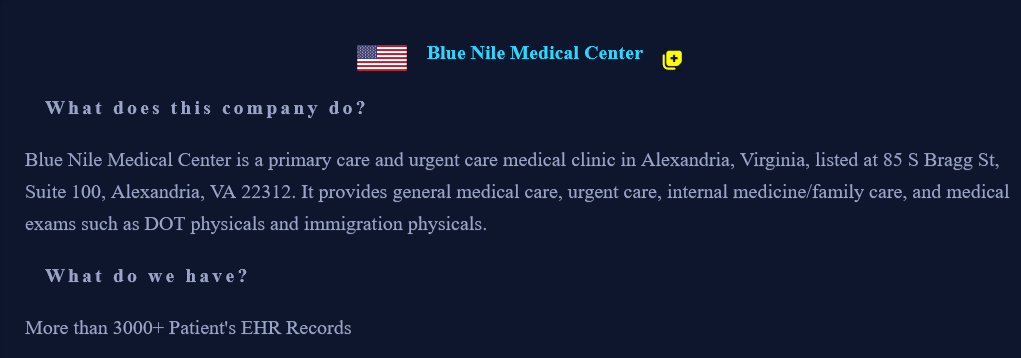
For enterprise leaders, the implications of such a breach extend far beyond immediate data loss. The loss of patient confidentiality, potential regulatory non-compliance, and the operational disruption of medical services are central concerns. As security experts, we observe that the healthcare sector remains a prime target for ransomware operators who leverage stolen data as a catalyst for extortion. Proactive defense strategies are not merely beneficial, they are essential for preserving the trust of patients and the continuity of clinical operations.
Ransomware is no longer just about encryption; it is about data exfiltration and public disclosure. When an attacker gains 50 GB of data, they possess significant leverage to influence decision-makers through the threat of publishing private medical histories. Hospitals and medical centers often operate with complex, interconnected legacy systems that provide fertile ground for lateral movement if initial access is achieved. Managing this risk requires a shift from reactive perimeter defense to a proactive Vulnerability Assessments model that focuses on visibility and rapid response.
Free exposure check
Dark Web Scanner
check dark web mentions, compromised account indicators, malware log signals, public breach exposure, and recent underground market activity for your domain.
To mitigate the risk of such incursions, healthcare entities should prioritize a comprehensive review of their digital footprint. Attack surface management is critical for identifying shadow IT or internet-facing misconfigurations that adversaries use as entry points. By integrating robust Attack Surface Management practices, organizations can effectively monitor for exposed assets and reduce the window of opportunity available to threat actors.
Security in the medical sector necessitates a deep understanding of data governance and infrastructure hardening. It is not sufficient to focus on compliance alone; one must treat compliance as the baseline for a more mature offensive security posture. Our team at FemtoSec works with enterprises to ensure that defenses are not static but are evolving in alignment with the threat landscape, utilizing offensive testing to validate the resilience of clinical environments against sophisticated adversaries.
In the aftermath of an incident like the one targeting Blue Nile Medical Center, organizations often realize that their visibility into potential entry vectors was insufficient. Continuous monitoring for credential leaks and early signs of reconnaissance is a necessary component of any enterprise security strategy. We recommend that organizations assess their current visibility levels to ensure they are not inadvertently hosting known vulnerabilities that could be exploited by groups like NightSpire.
The threat from ransomware is compounded when organizations lack the internal capacity to perform continuous offensive simulations. Whether it is verifying the integrity of patient portals or ensuring that backend databases are properly segmented, the complexity of modern healthcare IT demands expert validation. We encourage leaders to look beyond basic controls and move toward a continuous, intelligence-led security framework that prioritizes the most valuable assets, such as patient records, against the backdrop of an active and aggressive threat landscape.
If your team may be exposed to a similar threat, FemtoSec can help validate blast radius, prioritize remediation, and connect the issue to a practical security program.
October 5, 2026
Panzer ransomware has targeted UK healthcare provider SMCare, exfiltrating 33GB of sensitive organizational data. The double-extortion campaign leverages cross-platform payloads capable of targeting Windows and VMware ESXi environments, enforcing strict countdown timers on dedicated Tor leak sites.
September 9, 2026
The Vexy ransomware group has published an extortion listing targeting Argentinian retailer Librería Santa Fe, claiming 24.2 GB of exfiltrated data with a 20-day publication ultimatum. Explore technical analysis, attack chains, and defensive containment strategies.

The Delhi Heart and Lung Institute has fallen victim to a major breach by the Krybit ransomware syndicate. The threat actors claim to have exfiltrated 22 GB of sensitive hospital, patient, employee, and corporate data, threatening public release within a short four-day window.
Onion URL
http://nspirep7orjq73k2x2fwh2mxgh74vm2now6cdbnnxjk2f5wn34bmdxad.onion/database/1818