The Anatomy of the Alleged Exploit Chain
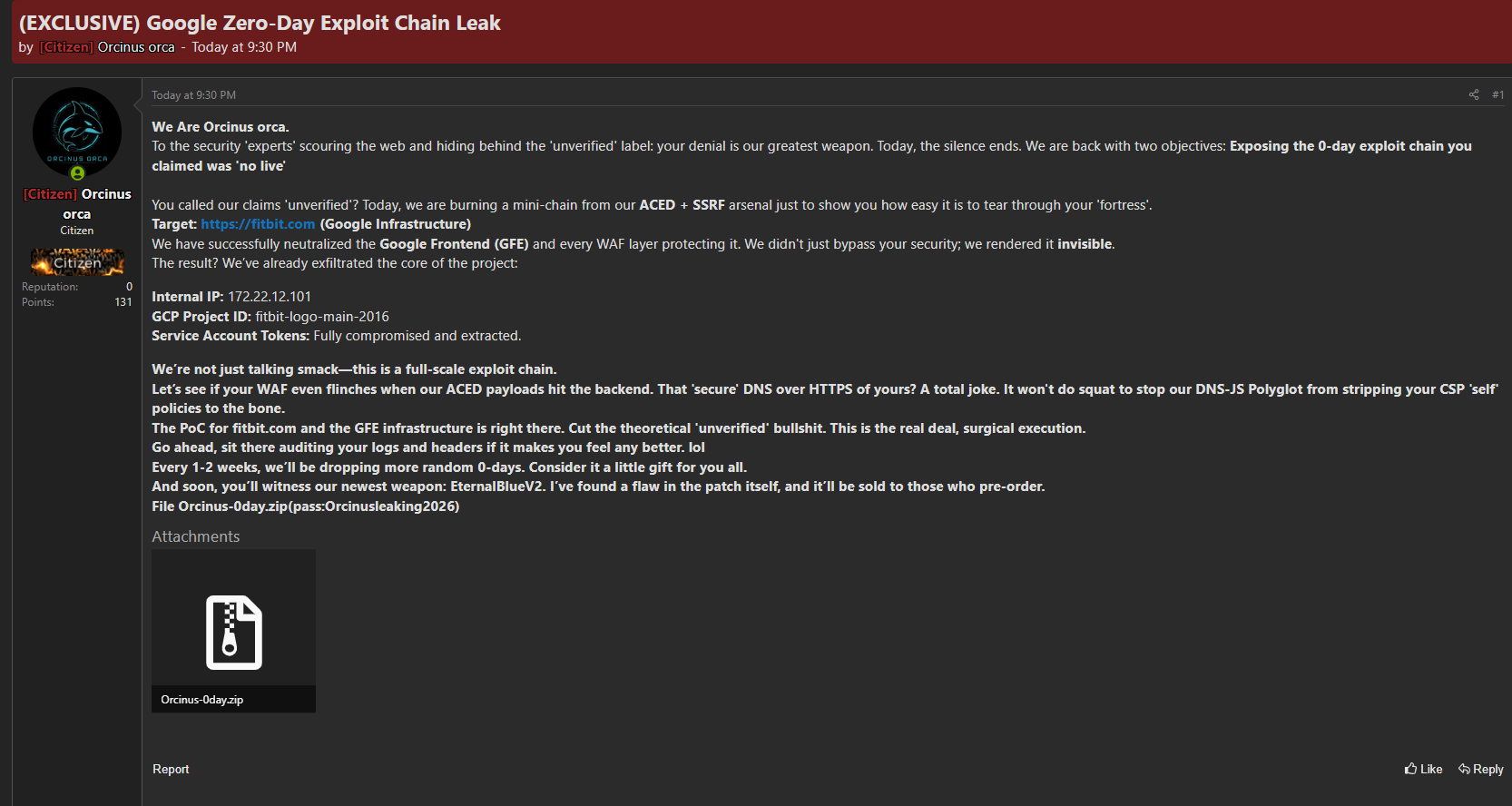
While investigations continue, the reported use of SSRF-related techniques is particularly concerning for enterprise security teams. SSRF vulnerabilities often allow attackers to bypass perimeter controls by tricking server-side applications into making requests to internal resources, such as metadata services or internal APIs. If successfully exploited, these flaws can lead to the exfiltration of service account tokens, providing the attacker with elevated privileges within the cloud environment. In this scenario, the exposure of internal project information and infrastructure components suggests a broad scope of impact.
When infrastructure is targeted at the cloud service level, it challenges traditional network security models. Organizations relying on cloud providers must understand that responsibility for securing the application layer and managing identity access remains paramount. Proactive identification of exposed assets is essential to prevent such chains from ever forming. For those concerned about their own perimeter, we recommend regular Attack Surface Management to uncover potential entry points before they are utilized by external actors.
Implications for Enterprise Security
The alleged compromise of service account tokens poses a significant risk to data integrity. Service accounts are often the 'keys to the kingdom' in cloud environments. If an attacker gains these credentials, they can move laterally through the infrastructure, access databases, or manipulate service configurations. This type of incident underscores the necessity of continuous monitoring and the adoption of a zero-trust architecture. Furthermore, organizations should prioritize Vulnerability Assessments to identify and mitigate high-risk flaws in their development and production environments before they escalate into zero-day incidents.
We have observed that threats targeting major consumer ecosystems often have cascading effects on third-party integrations and supply chain dependencies. Enterprises must review their security posture regarding API keys and service integrations to ensure that a compromise in one platform does not lead to a systemic failure in their own operations.
Strengthening Your Defense Posture
To defend against modern exploit chains, companies must shift toward a proactive operating model. This involves more than just patching known vulnerabilities; it requires a deep understanding of how applications interact with internal infrastructure. Effective security management today relies on constant validation and rigorous code reviews to prevent SSRF and other high-impact vulnerabilities. By integrating security into the development lifecycle, teams can identify flaws early, reducing the overall window of exposure.
If you are concerned about your organization's exposure, our team at FemtoSec is ready to provide guidance. With 15+ years of experience across the GCC, we specialize in identifying weaknesses before they are exploited. From offensive security to full regulatory compliance, our platform is designed to secure your enterprise against today's most sophisticated threats.