Basata Incident Involving NightSpire Ransomware
A recent cybersecurity incident involving Basata in Egypt and the NightSpire ransomware group underscores the escalating threats faced by financial services firms today. We analyze the situation and provide actionable steps for proactive defense.


Key Takeaways
- The NightSpire group utilizes data exfiltration as a core component of their extortion tactics.
- Financial services organizations remain primary targets for threat actors seeking sensitive data.
- Rapid response windows of 2-3 days are characteristic of the aggressive tactics employed by modern ransomware groups.
- Proactive measures are required to minimize the window of opportunity for attackers during the initial stages of a compromise.
Overview of the Basata Ransomware Incident
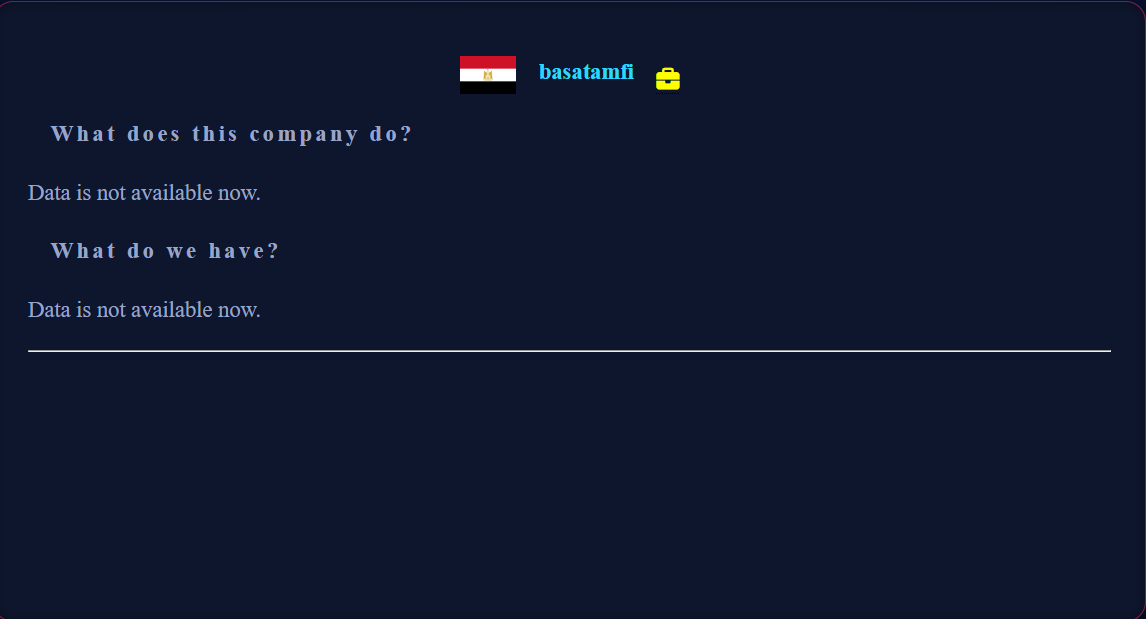
The recent reports involving Basata, an organization based in Egypt, and the NightSpire ransomware group highlight the persistent and evolving nature of digital extortion within the financial services sector. According to intelligence reports, the threat group claims to have exfiltrated sensitive data from the organization and has set a short window for potential publication. This incident serves as a stark reminder that even well-established firms must maintain a hyper-vigilant posture against sophisticated threat actors who prioritize data exfiltration and public shaming as part of their business model.
The Anatomy of Modern Ransomware Attacks
Modern ransomware attacks like those allegedly carried out by NightSpire are no longer limited to simple file encryption. They have evolved into complex extortion schemes. Attackers focus on stealing sensitive customer information, internal documentation, and proprietary intellectual property. By leveraging this data, they increase the pressure on victims to meet their demands. For organizations in the financial sector, where trust and data integrity are the pillars of the business, such incidents can lead to significant reputational damage and regulatory scrutiny.
To mitigate such threats, enterprises must adopt a Vulnerability Assessments framework that goes beyond periodic checking. Proactive defense requires a deep understanding of your own infrastructure and the ability to identify potential attack vectors before they can be weaponized. When an attacker gains initial access, their ability to move laterally depends entirely on how well segmented and secured your environment is.
Strengthening Your Enterprise Defense
In today's landscape, waiting for a security update is not a strategy. You must assume that your perimeter will be tested. This is where Red Teaming operations prove their worth, as they allow organizations to simulate these advanced adversarial tactics in a controlled manner, uncovering weaknesses in detection and response times. When your team understands how a real-world attacker operates, they can build better, more resilient defenses.
Financial institutions specifically are constant targets due to the value of the information they hold. A comprehensive approach involves not only hardening the software stack but also ensuring that employees are educated on the latest social engineering tactics. Cybersecurity is a continuous lifecycle of hardening, monitoring, and adapting. For enterprises in the GCC, building a regional-aware security strategy is essential to stay ahead of global threats.
The Role of Proactive Intelligence
Threat intelligence is not just about observing what happened to others, but about applying those lessons internally. If your organization handles sensitive financial data, your attack surface is constantly expanding. Monitoring for potential exposures on the dark web can provide early warning signs of a pending attack. When organizations fail to account for these risks, they remain reactive rather than proactive, which is exactly the position threat actors count on.
Conclusion
The incident at Basata is a reminder that the cost of inaction is significantly higher than the investment in robust security. By prioritizing a compliance-first, proactive operating model, firms can significantly reduce their risk exposure. At FemtoSec, we believe that security is not a product but a process that must be integrated into the core of every enterprise. We encourage all organizations to evaluate their current resilience and reach out for a consultation to ensure their defensive posture is prepared for the next wave of sophisticated threats.
How to Defend Against Similar Threats
- Conduct a comprehensive vulnerability assessment to identify and patch high-risk entry points immediately.
- Implement robust network segmentation to contain potential lateral movement by attackers.
- Enhance dark web monitoring to detect potential credential or sensitive data leaks in advance.
- Engage in regular red team operations to validate your internal security controls against modern ransomware tactics.
Threat Intel FAQ
What is the primary danger posed by the NightSpire group in this incident?
How can financial firms better protect themselves against ransomware-driven extortion?
Could a similar threat affect your organization?
If your team may be exposed to a similar threat, FemtoSec can help validate blast radius, prioritize remediation, and connect the issue to a practical security program.
Related Threats
September 9, 2026
Vexy Ransomware Targets Retailer in 24GB Data Leak
The Vexy ransomware group has published an extortion listing targeting Argentinian retailer Librería Santa Fe, claiming 24.2 GB of exfiltrated data with a 20-day publication ultimatum. Explore technical analysis, attack chains, and defensive containment strategies.
October 5, 2026
Spirals Ransomware Hits Seven Seas Group in GCC
Spirals ransomware has claimed the compromise of GCC-based maritime services provider Seven Seas Group, demanding ransom under a strict data leak countdown. This incident underscores critical risks across regional logistics and transportation infrastructure.
October 5, 2026
Panzer Ransomware Targets Healthcare with 33GB Exfiltration
Panzer ransomware has targeted UK healthcare provider SMCare, exfiltrating 33GB of sensitive organizational data. The double-extortion campaign leverages cross-platform payloads capable of targeting Windows and VMware ESXi environments, enforcing strict countdown timers on dedicated Tor leak sites.